

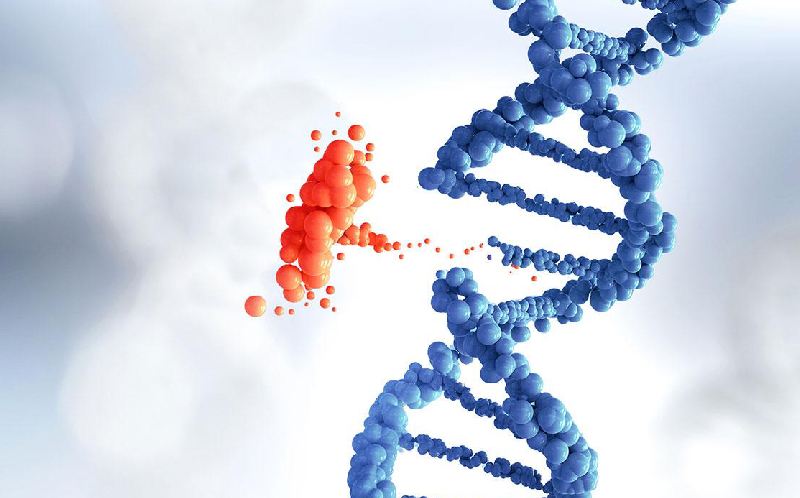
Genetic disorders play a significant role in male infertility, often affecting sperm production, development, and function at the cellular level. While these conditions may be less common than hormonal imbalances or lifestyle-related factors, their impact on fertility is profound and, in many cases, lifelong. Two of the most clinically significant genetic causes of male infertility are Klinefelter syndrome and Y chromosome microdeletions.
Klinefelter syndrome is a genetic condition in which a male is born with an extra X chromosome—resulting in the chromosomal pattern 47,XXY instead of the typical 46,XY. This additional chromosome disrupts normal testicular development and function.
From an Ayurvedic standpoint, Klinefelter syndrome can be understood as a deep-seated Beeja Dushti (genetic or reproductive tissue defect). Herbal formulations, Panchakarma therapies, and Rasayana treatments may help in balancing the hormonal imbalances, improving general vitality (Ojas), and preparing the body for assisted fertility treatments where needed.
The Y chromosome carries genes crucial for sperm production, particularly in the AZF (Azoospermia Factor) regions. Microdeletions—small missing segments—in these regions can disrupt normal spermatogenesis.
Y chromosome microdeletions represent a profound Shukra Dhatu imbalance or dysfunction. Ayurvedic therapies aim to rejuvenate and nourish the reproductive tissues, support cellular health, and improve the body's natural fertility mechanisms. While Ayurveda cannot correct genetic deletions, it can play a complementary role in enhancing sperm quality in borderline cases and improving outcomes in conjunction with modern fertility treatments.
Genetic disorders such as Klinefelter syndrome and Y chromosome microdeletions are complex and often require a multidisciplinary approach. At our Ayurvedic fertility center, we combine the wisdom of ancient science with modern diagnostics to provide integrative, compassionate care for men facing these challenges. While not all genetic conditions are reversible, our goal is to support every individual’s fertility journey with knowledge, respect, and holistic healing.